European sourcing teams may need to watch a new trade-policy
development. Reuters reported on September 10, 2026 that France, Italy
and likely Germany were preparing to request broad European Union
safeguard measures for parts of the chemicals and plastics sectors. The
reported focus includes polyethylene terephthalate (PET) resin, epoxy
resin and glass fibres.
No broad safeguard measure had been enacted at the time of the
report. The scope, timing and final rules could change. However, the
discussion is already relevant to brands that depend on polymer inputs,
coated webbing, molded components, packaging and mixed-material
assemblies.
Key takeaways
- The reported proposal concerns possible EU import quotas or
safeguards, not a final rule. - PET resin, epoxy resin and glass fibres were among the materials
named in the report. - The direct inclusion of PVC-coated webbing or specific pet-product
components has not been confirmed. - Buyers should map material exposure, confirm tariff classifications
and build quotation flexibility before placing long-cycle orders.
Why this matters
beyond the named materials
Pet, equestrian and webbing products often combine several supply
chains. A finished leash, halter, horse blanket or technical strap may
include metal fittings, woven webbing, polymer coatings, molded parts,
thread, labels and plastic packaging. Even when a particular input is
not directly covered by a trade measure, changes in resin demand,
regional capacity or customs controls can affect lead times and supplier
pricing.
PET is widely associated with packaging, but polyester fibers and
related polymer markets also influence textiles and webbing. Epoxy
resins are used across coating, adhesive and composite applications.
Glass fibres appear in reinforced materials. The effect on any finished
product will depend on its precise material composition and customs
classification.
For that reason, brands should avoid assuming that every
plastic-containing item will be affected—or that none will be. The
correct response is product-level verification.
A five-step sourcing check
- Create a bill of materials. List the metal grade,
webbing fiber, coating, molded polymers, adhesives and packaging for
each priority SKU. - Confirm HS classifications. Ask an experienced
customs broker to verify the classification of materials and finished
goods for the destination market. - Identify single-source inputs. Highlight special
colors, proprietary coatings or uncommon resins that have no approved
alternative. - Add quotation validity. For material-sensitive
projects, agree on a clear validity period and a method for handling
documented input-cost changes. - Approve alternatives early. Test substitute
materials, finishes or packaging before disruption makes an urgent
change necessary.
Metal hardware can
support modular design
Although the current discussion centers on chemicals and plastics,
metal component design can help brands manage mixed-material risk.
Standardized snap hooks, rings, buckles and sliders allow a product team
to change webbing or packaging specifications without redesigning every
connection point.
The key is dimensional control. Slot width, wire diameter, inside
clearance, gate opening and load direction should be defined around the
complete assembly. A compatible metal platform gives purchasing teams
more flexibility while maintaining the product’s functional
geometry.
Surface treatment also deserves attention. Zinc plating, nickel
plating, powder coating, electrophoretic coating and stainless-steel
options have different cost, appearance and corrosion profiles.
Selecting the finish according to the real use environment helps prevent
over-specification while protecting the customer experience.
What buyers should ask
suppliers now
- Which raw materials have the greatest price or lead-time
exposure? - Are quoted prices tied to a fixed material window?
- Which alternative materials or finishes have already been
validated? - Can the supplier provide drawings, material declarations and
inspection records? - Can orders be split or scheduled to reduce inventory risk?
- Which elements of the product are custom and which are
standardized?
Frequently asked questions
Are EU safeguard measures already in force for the materials
discussed?
The Reuters report described expected requests and discussions, not a
final across-the-board measure. Buyers should monitor official EU
publications and obtain customs advice before making import
decisions.
Does the report confirm that PVC-coated webbing will be
covered?
No. The reported focus named PET resin, epoxy resin and glass fibres.
The treatment of a specific webbing or finished product depends on the
final legal scope and customs classification.
How can a hardware supplier help with supply-chain
flexibility?
A supplier can provide controlled dimensions, multiple material and
finish options, assembly compatibility checks and documentation that
makes alternate specifications easier to evaluate.
Source
- Reuters,
“EU countries to seek import curbs on chemicals, plastics, sources say,”
September 10, 2026
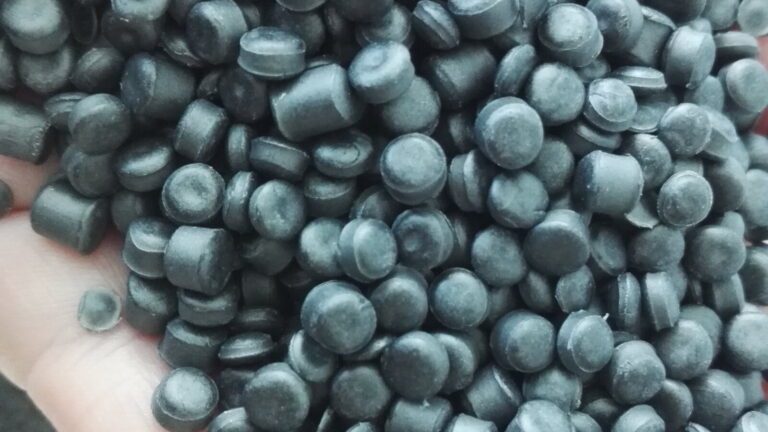
Featured image: “Plastic pellets for injection molding” by
Teemeah, via Wikimedia Commons, licensed under CC BY-SA 3.0.
Image resized and cropped; the adapted image is shared under the same
license.
Jinxing Hardware is a one-stop custom hardware manufacturer for
equestrian, pet and webbing products. Send us your drawing, sample or
application requirements to discuss materials, finishes and production
options.